

Explore how to enhance your small space with the strategic use of textures in interior design. This guide covers creative ways to incorporate various textures into your studio apartment, from plush textiles to natural fibers that add warmth and depth. Discover budget-friendly accessory ideas and DIY projects that elevate your decor while maintaining balance to avoid overwhelming the space. Learn how different textures can reflect personality and improve functionality, creating an inviting atmosphere that feels well-curated. This comprehensive approach ensures that your cozy studio apartment not only looks stylish but also feels like a true home.
Understanding the Importance of Texture in Small Spaces
In the realm of interior design, especially when it comes to small spaces like studio apartments, the integration of various textures holds significant importance. Texture serves as an essential component in defining the aesthetic appeal and functional dynamics of a room. The strategic use of texture can dramatically influence how a space is perceived, enhancing the overall ambiance without compromising on comfort or style.
Different textures, from smooth surfaces to more tactile finishes, can convey distinct feelings and contribute to an apartment’s character. For instance, soft textures such as plush throw pillows and cozy blankets add warmth and inviting elements to a small studio. This invites a feeling of comfort, making the space not only visually appealing but also welcoming. On the other hand, materials with a rough or matte finish, like raw wood or stone, can provide grounding elements that add depth and interest to the overall design.


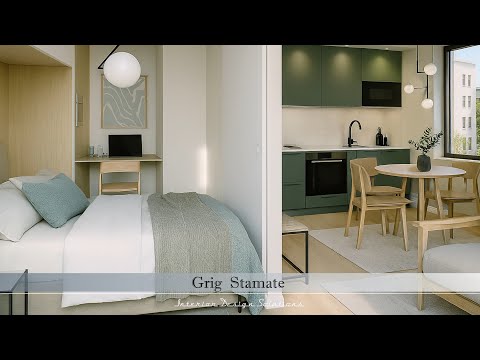
Please read our article watch the newly uploaded video from our YouTube channel:
“Grig Stamate – Interior Design Solutions”
https://www.youtube.com/@GrigStamate
Small Space MAGIC: 50+ Studio Apartment – Textures & Feature Panels (video)
Here, you can see other related videos from our channel:
Small Space MAGIC ✨Studio Survival Guide for Couples (video)

Small Space MAGIC: 50 Amazing Studio Apartment – Nordic Style (video)
Furthermore, shiny surfaces, such as glass or polished metals, have the potential to reflect light, thereby creating an illusion of a larger and airy space. These reflective textures can enhance brightness, reducing the feeling of confinement often associated with smaller areas. Meanwhile, balancing shiny textures with softer elements prevents the space from feeling too sterile or overwhelming. By mixing and matching different textures, it is possible to create layers in your design, which not only captivates the eye but also introduces variety into a compact environment.
Strategically placing different textures throughout your studio can thus help delineate areas, designate functions, and nurture an atmosphere of openness and warmth, ultimately transforming a small space into a cohesive and inviting haven.
Creative Ways to Incorporate Textures in Your Studio Apartment
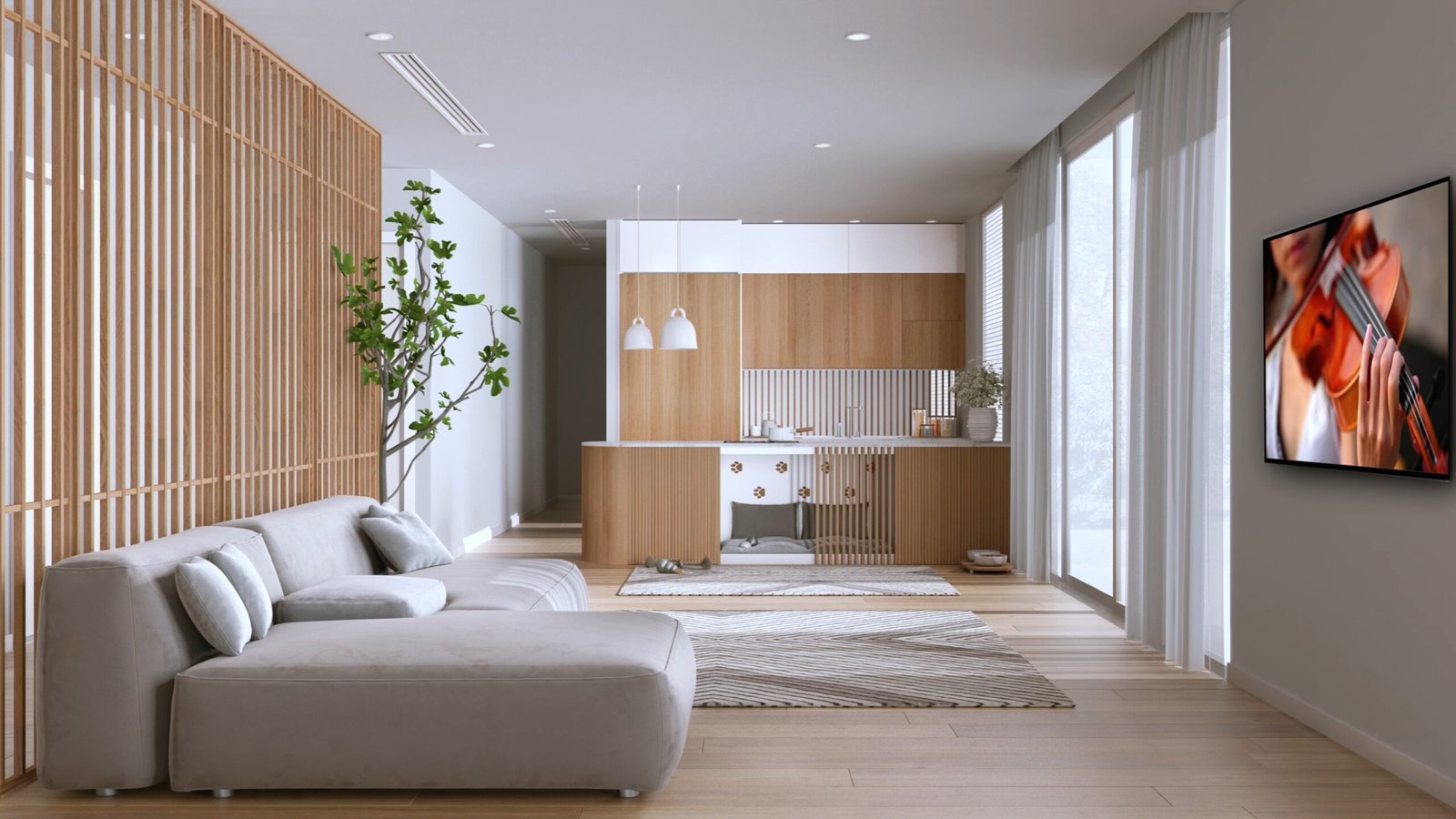
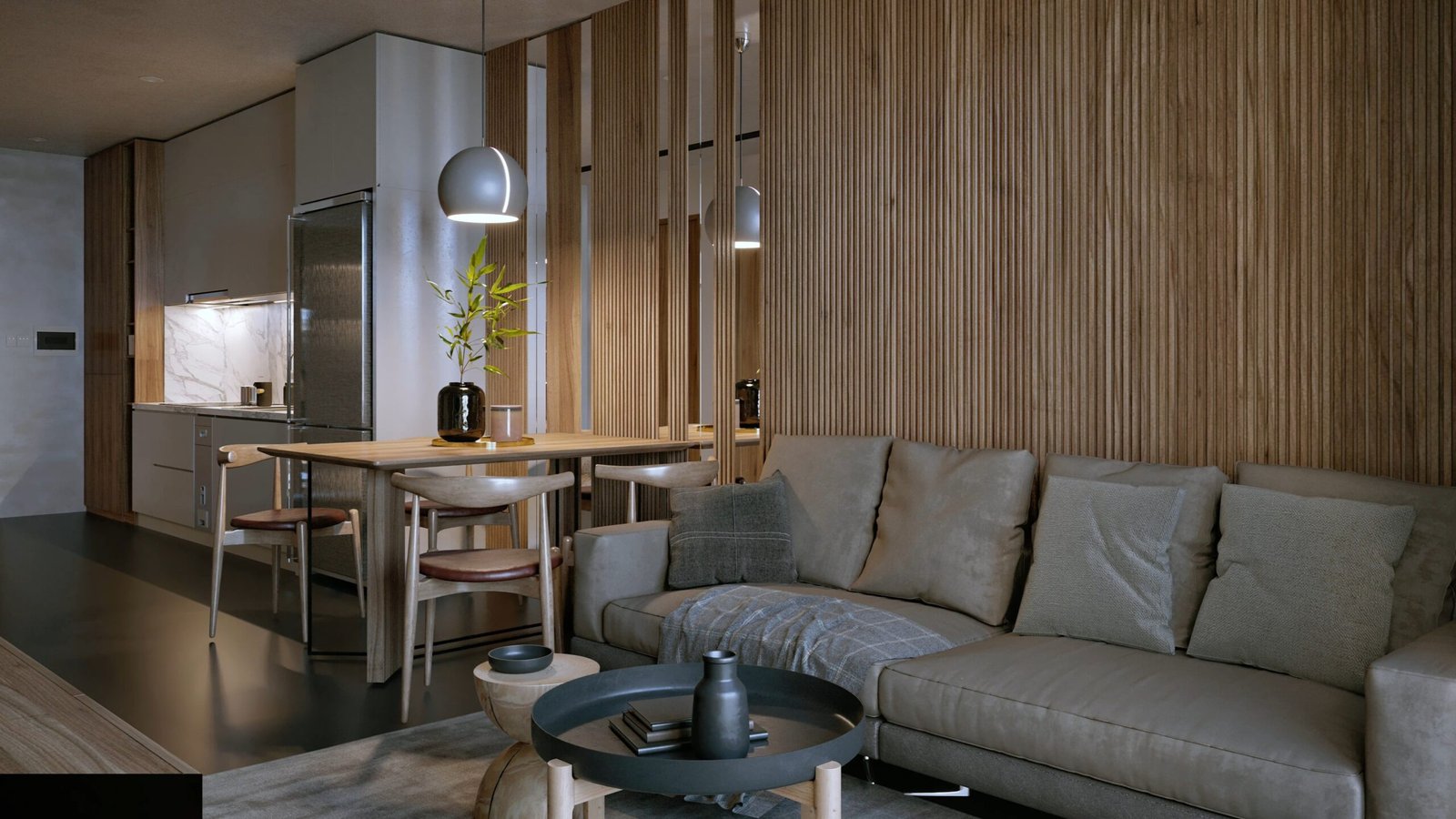
Embracing diverse textures in a studio apartment can significantly enhance its aesthetic appeal and make the space feel more inviting. One effective method to add texture is through the use of textured wallpaper. This design element not only brings visual interest but can also serve to define different areas of your open floor plan, giving depth to the space. Opt for wallpapers that feature subtle patterns, such as linen or grass cloth, which add a layer of sophistication without overwhelming the senses.
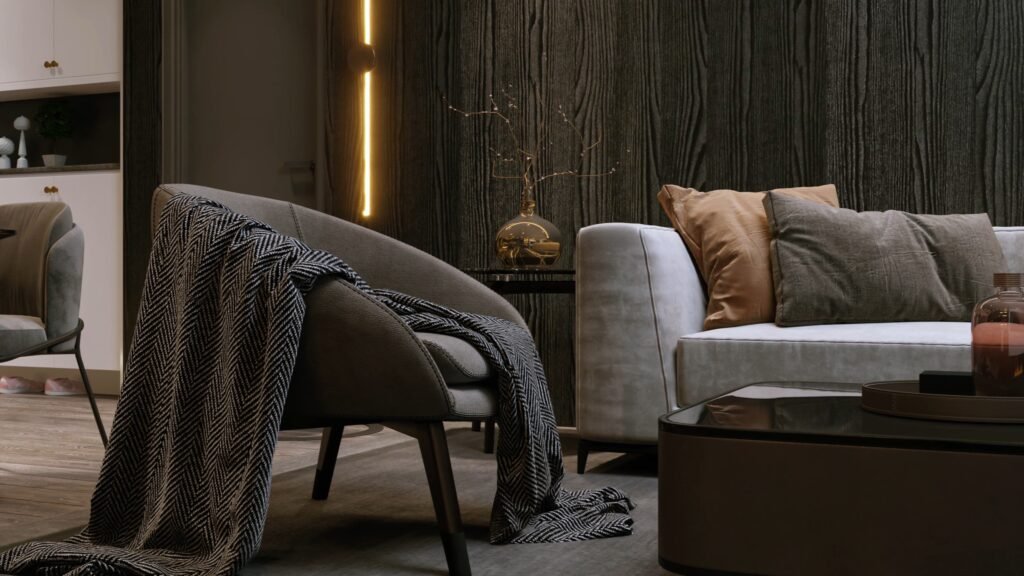
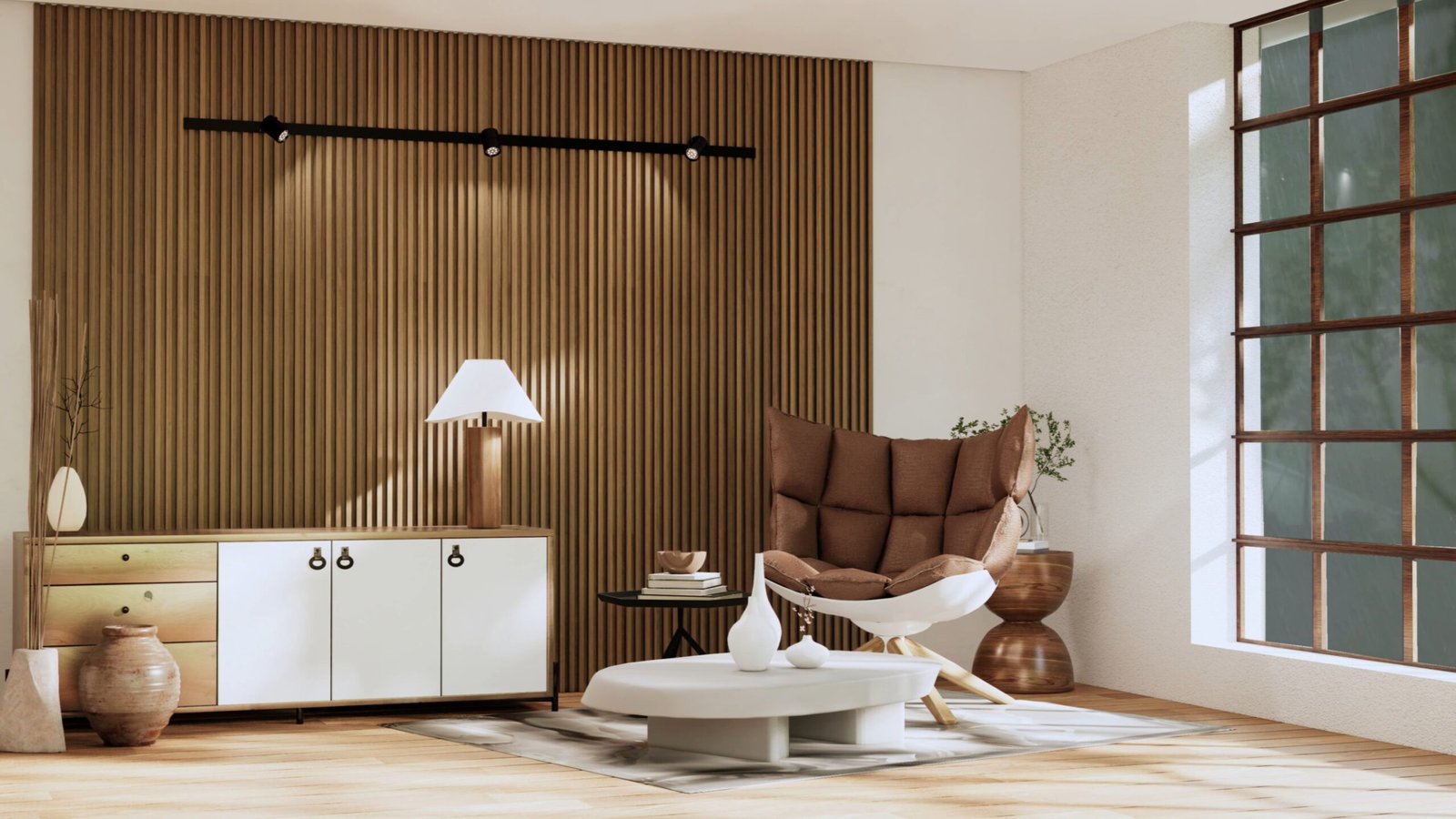
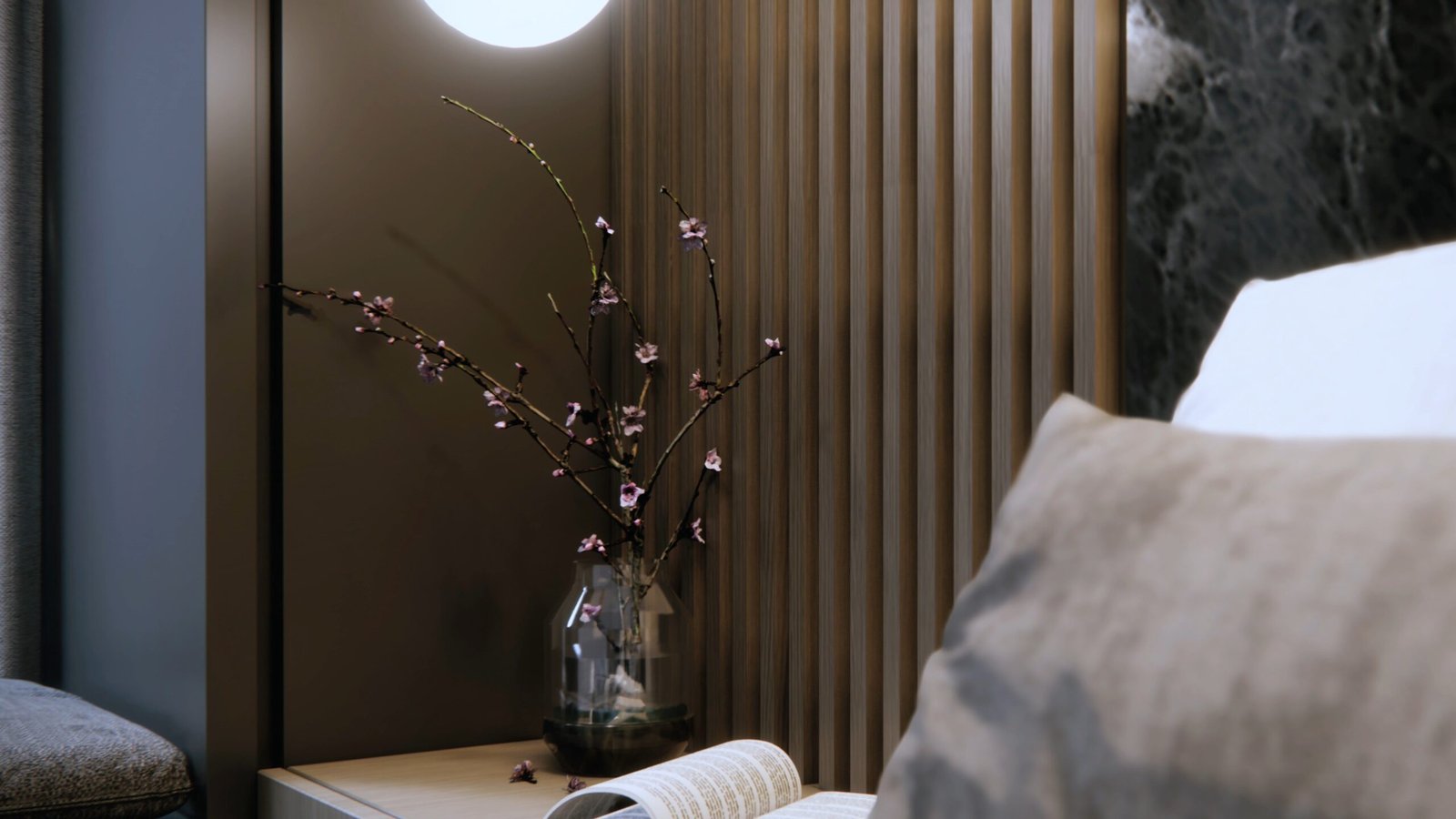
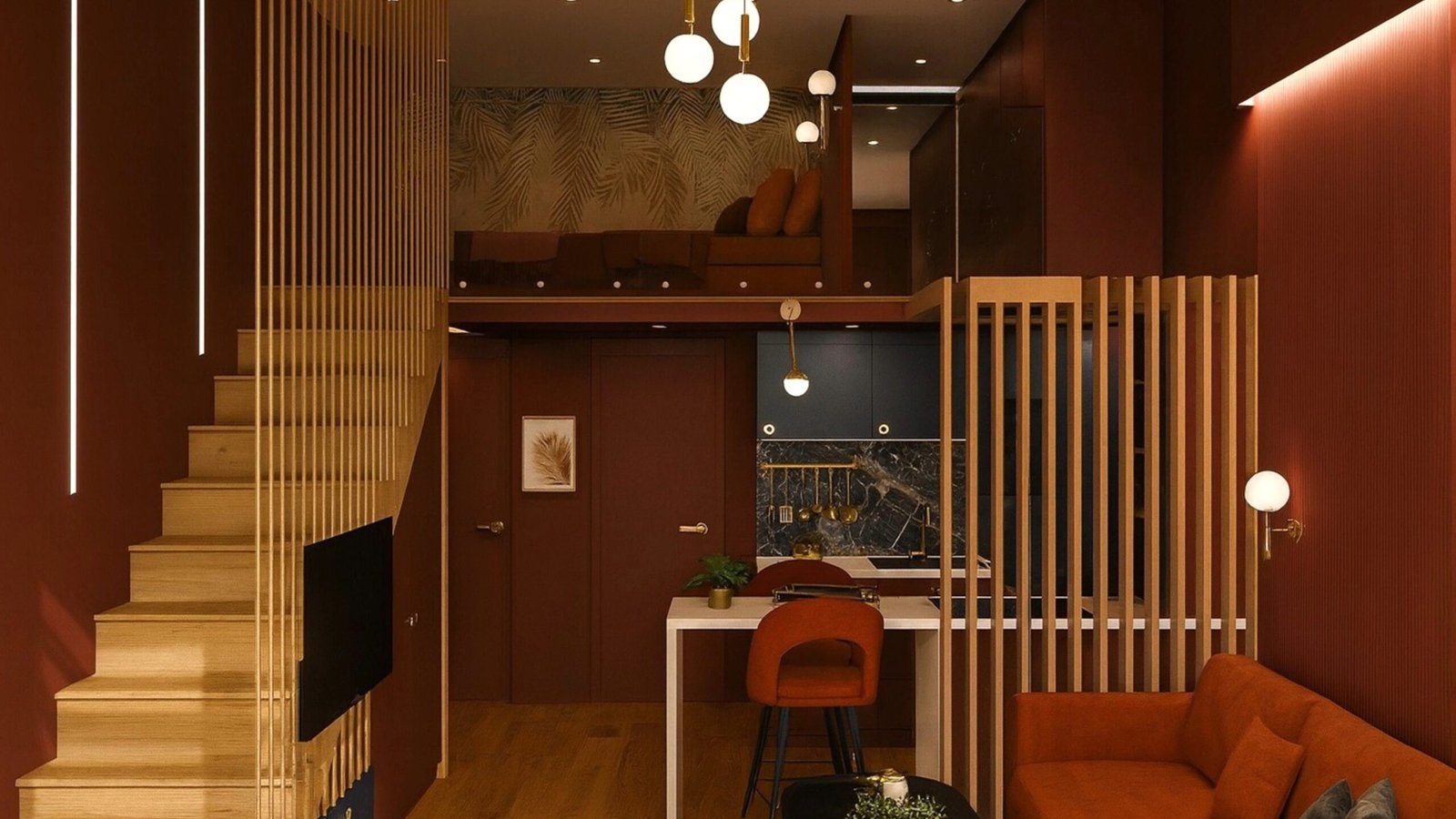


Throws and cushions are another practical way to introduce texture. Consider varying the materials – plush velvet, linen, and even knitted styles can coexist beautifully. When choosing colors, stick to a palette that complements the primary hues of your apartment; for instance, a mix of soft grays, muted earth tones, or contrasting vibrant accents can create a harmonious atmosphere. Layering these textiles on a sofa or chair not only provides comfort but also visually enriches the room.
Area rugs play a crucial role in redesigning your studio, acting as both a design element and a functional one. A rug can delineate the living area from the dining space, enhancing utility without needing physical barriers. Choose rugs made from natural fibers like jute or wool, which offer tactile experiences and warmth underfoot. Additionally, integrating art pieces that showcase varied textures, such as framed fabric or metal sculptures, can anchor your room and draw the eye. Combining materials like wood, metal, fabric, and glass will lead to a balanced yet dynamic environment.
Incorporating these creative strategies allows for a nuanced representation of personal style while maximizing the potential of a studio apartment. The key is to consider how each texture contributes to the overall ambiance, fostering a space that feels both cozy and thoughtfully curated.
Texture Accessories: Elevating Your Space on a Budget
Utilizing texture in your studio apartment does not necessitate a substantial financial investment. In fact, affordable texture accessories can significantly uplift the ambiance of any small space. Simple items such as pillows, blankets, and decorative pieces can introduce warmth and depth, transforming a minimalist environment into a cozy retreat. By carefully selecting textures that resonate with your style, you can create an inviting atmosphere that feels tailored to your needs.
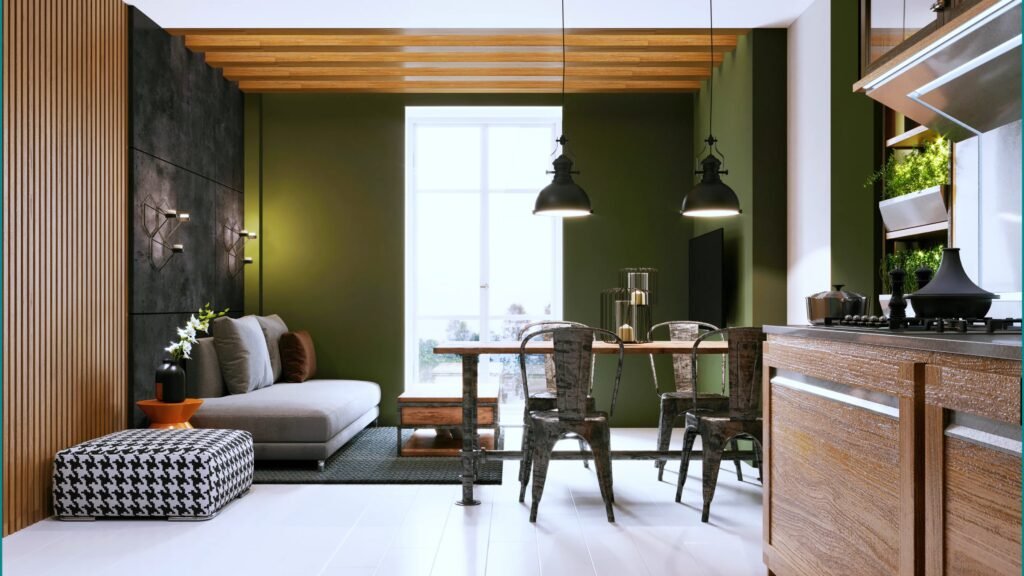
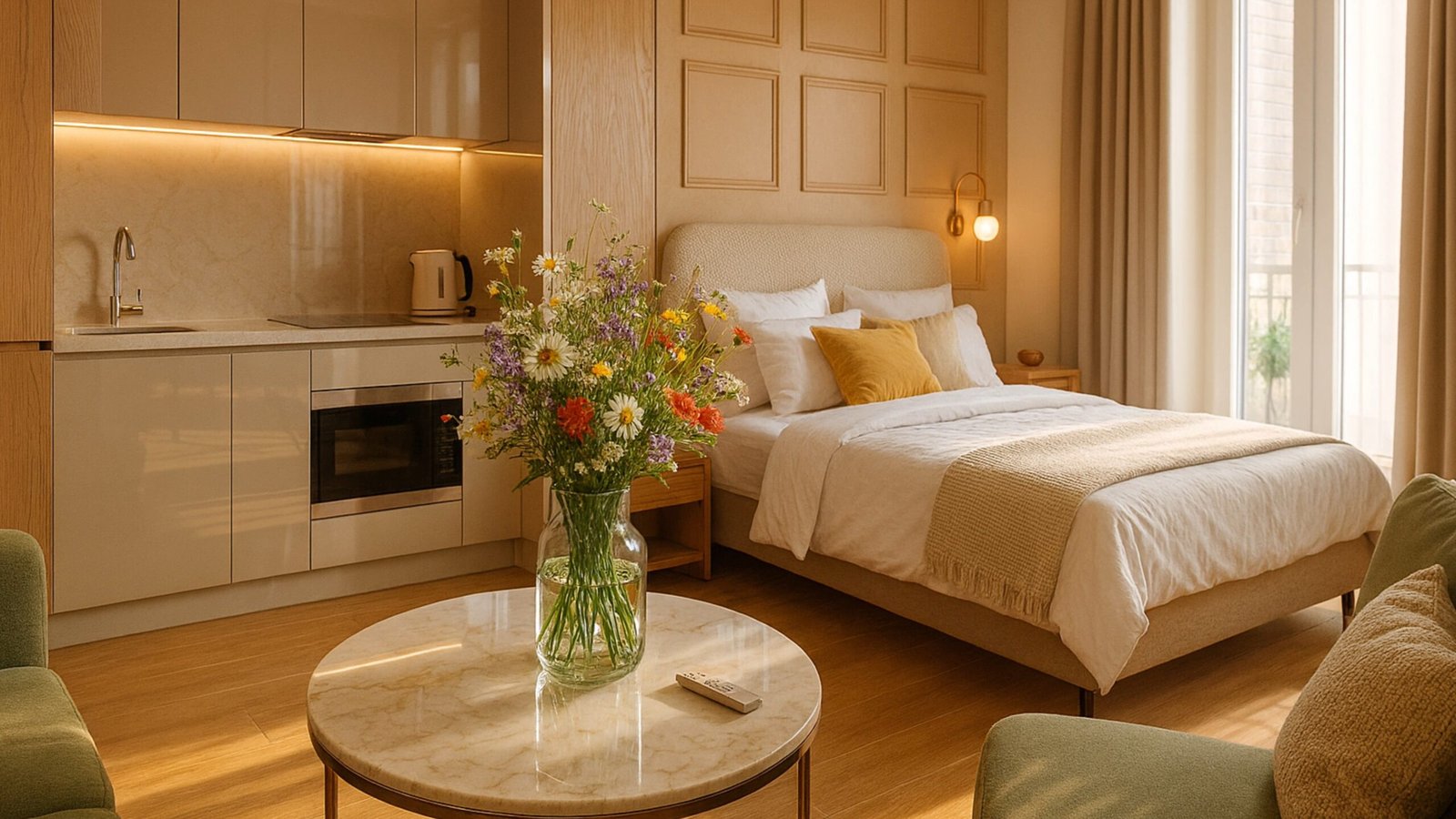
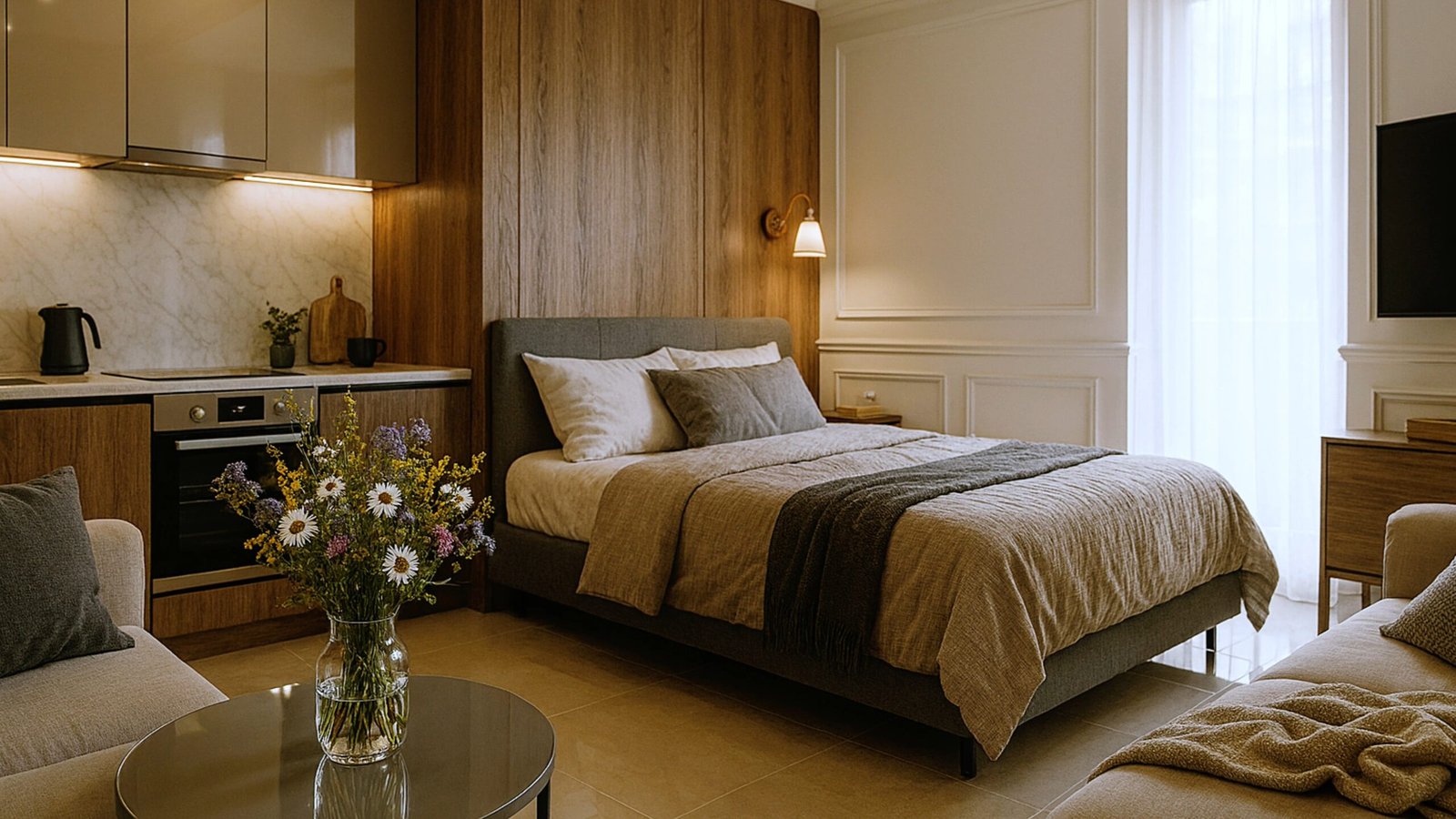
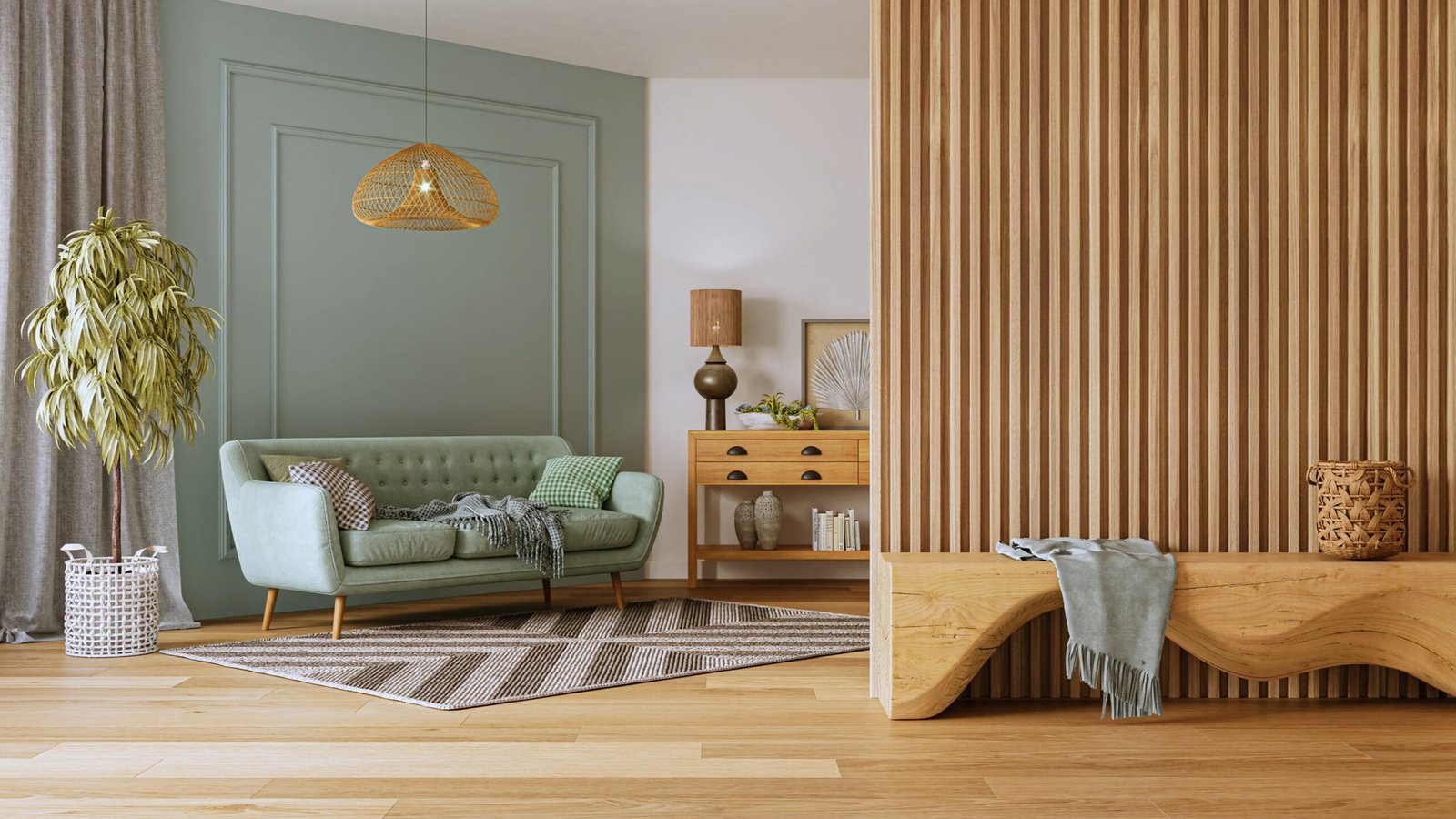
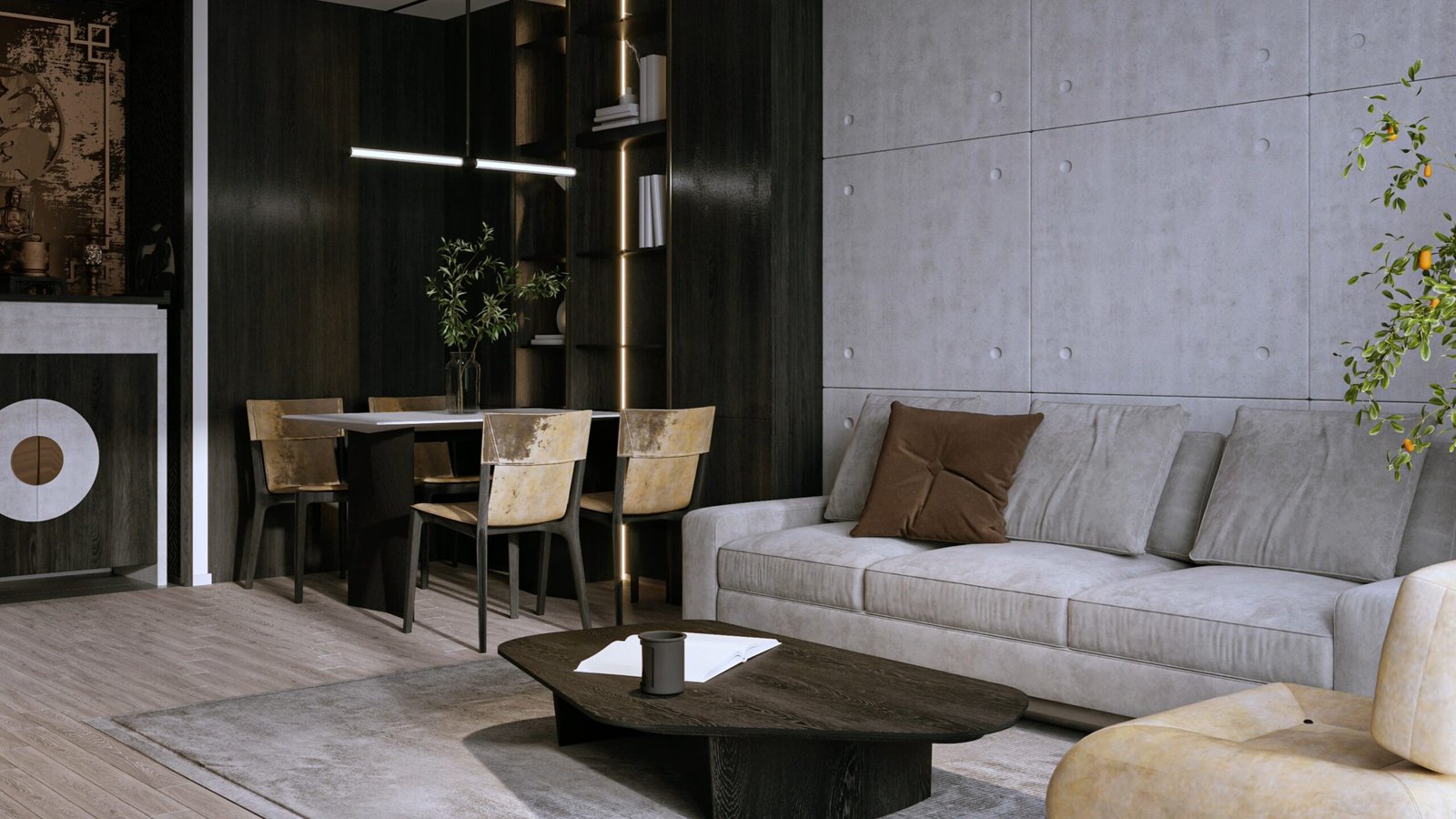
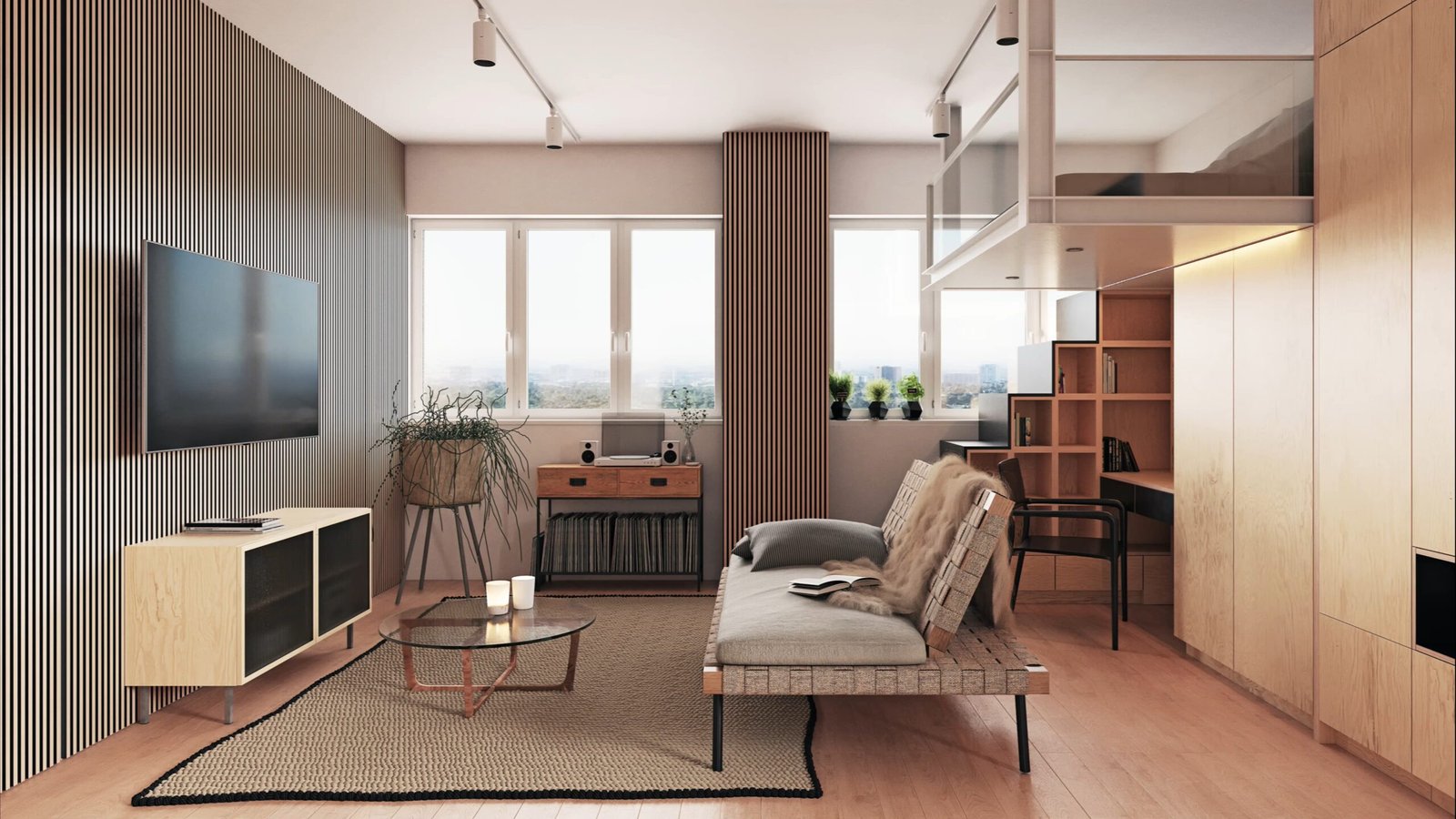

For instance, consider incorporating various throw pillows in different materials, such as velvet, cotton, or linen. Mixing and matching these textiles can create layers of texture, making the living area more engaging. Additionally, utilizing knitted or faux fur blankets can introduce softness and comfort, perfect for those chilly evenings or cozy movie nights. These budget-friendly items not only enhance comfort but also serve as key visual elements within your decor.
Incorporating decorative accessories, such as woven baskets or ceramic vases, can further add to the tactile quality of your space. These pieces can serve functional purposes—such as storage or display—while offering unique textures that enhance the overall aesthetic. Look for items that feature patterns or contrasting materials to add interest and depth without overwhelming the space.
Additionally, there are several DIY projects that can help you infuse personal touches and textures into your home. Consider creating your own wall art using textured materials like fabric or reclaimed wood. This approach not only saves money but also allows you to craft something that truly reflects your personality. Other budget-conscious DIY options include repurposing old furniture with fresh, textured upholstery or adding decorative elements like stenciled designs to plain pillows.
Maintaining Balance: Avoiding Texture Overload
When designing a studio apartment, the incorporation of various textures can add significant depth and visual interest. However, it is essential to maintain balance in order to avoid texture overload, which can lead to a chaotic atmosphere. With space at a premium in studio apartments, careful curation of textures becomes crucial in achieving a serene and inviting environment.
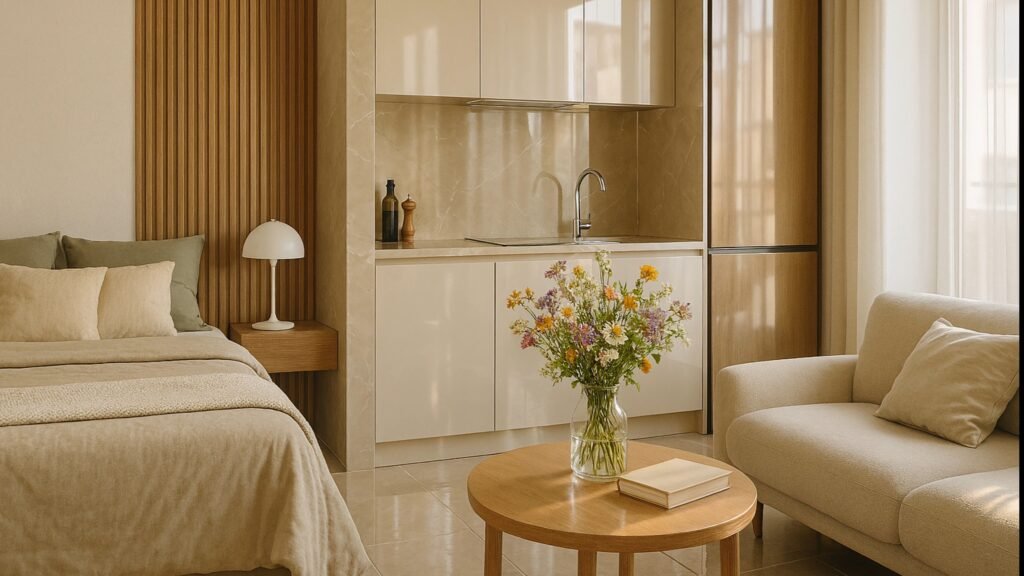
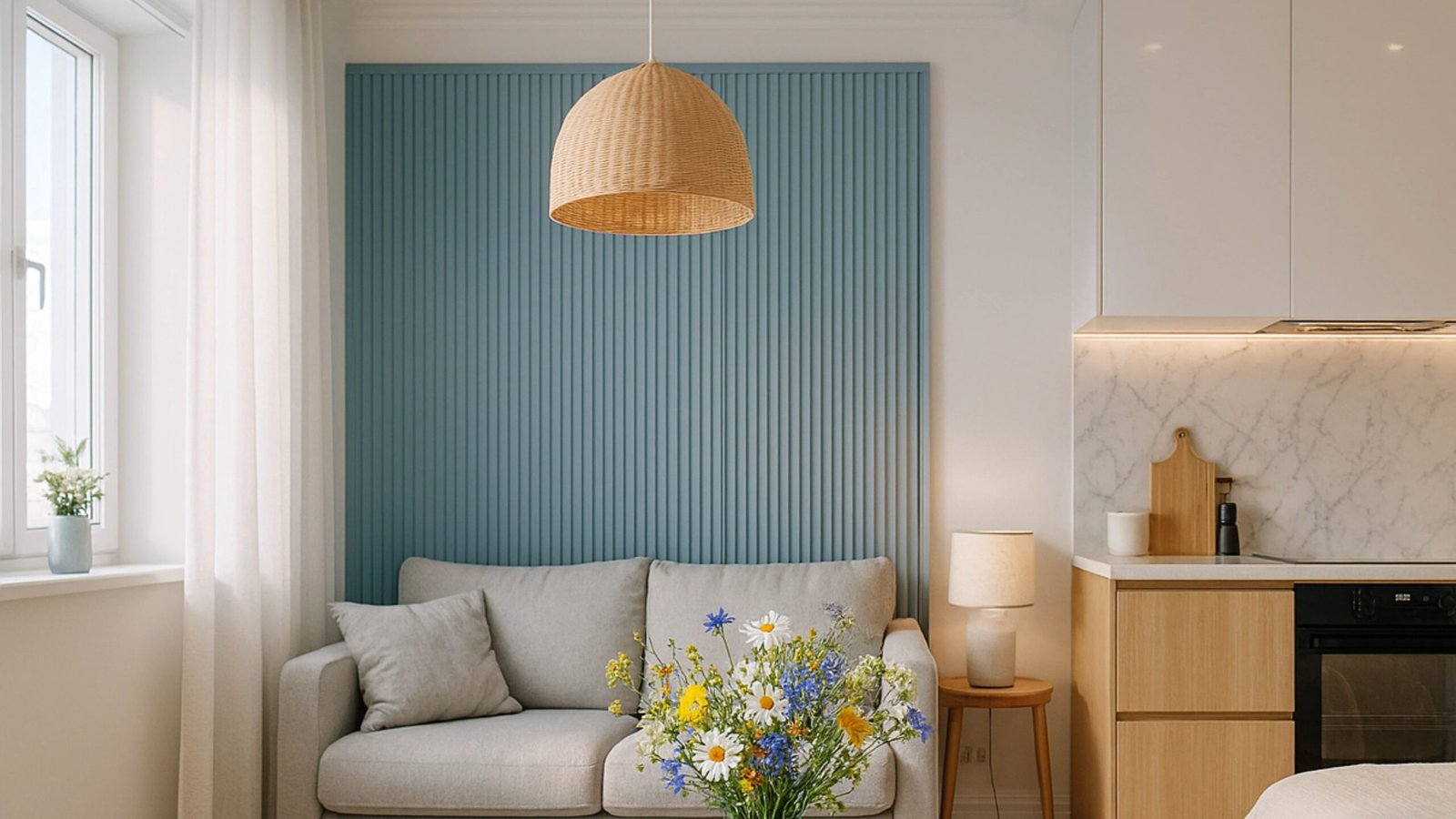
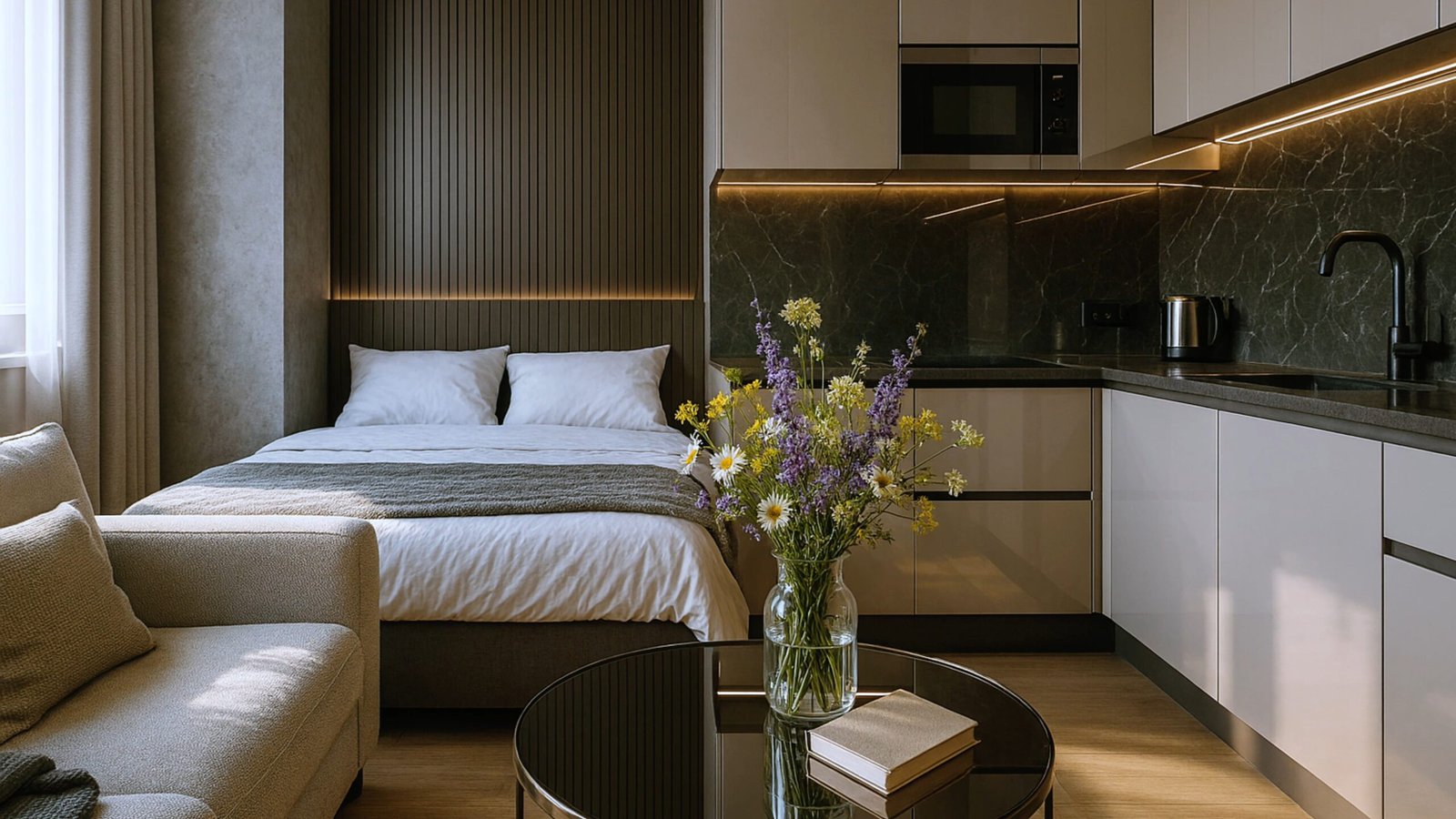
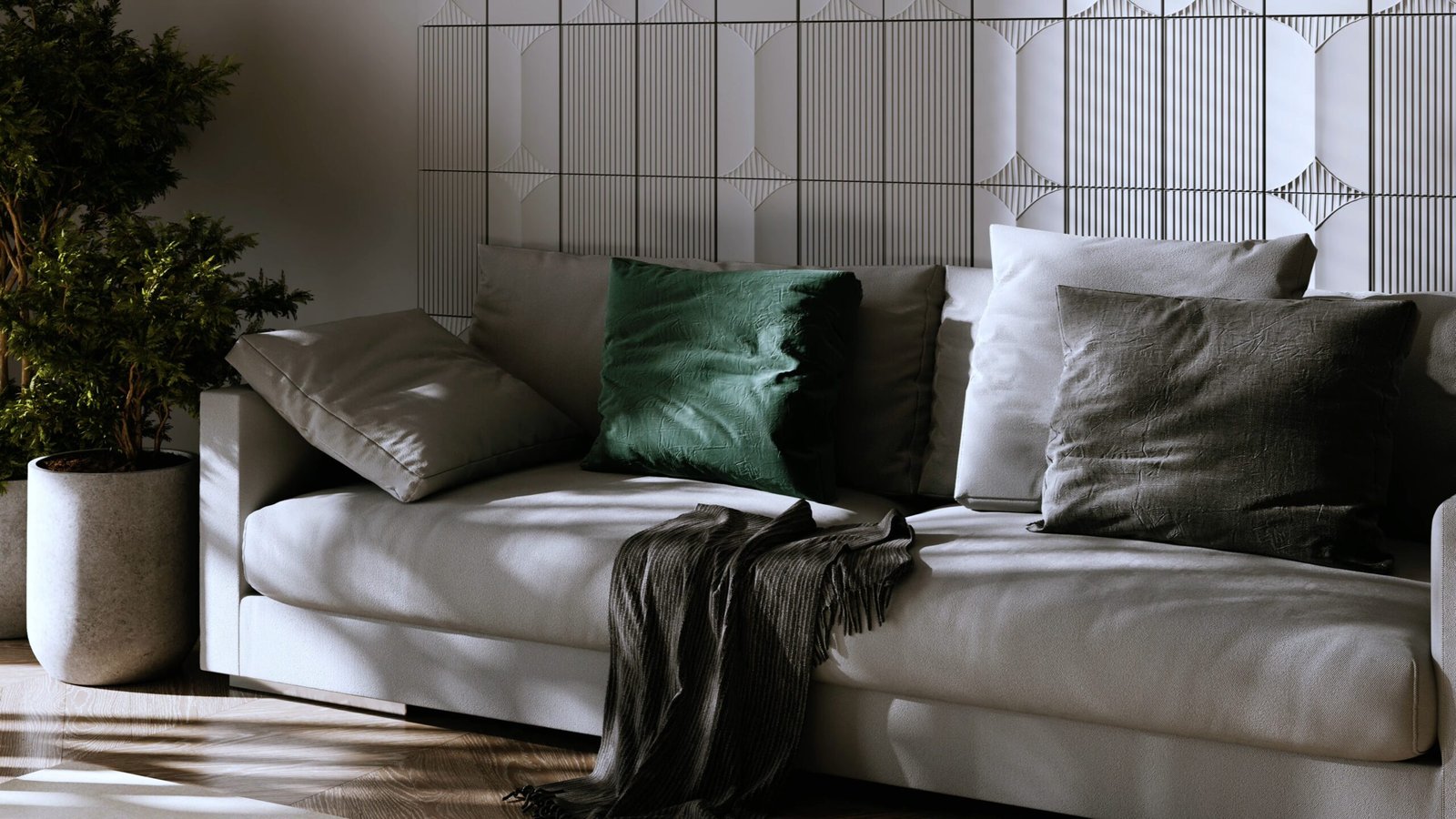
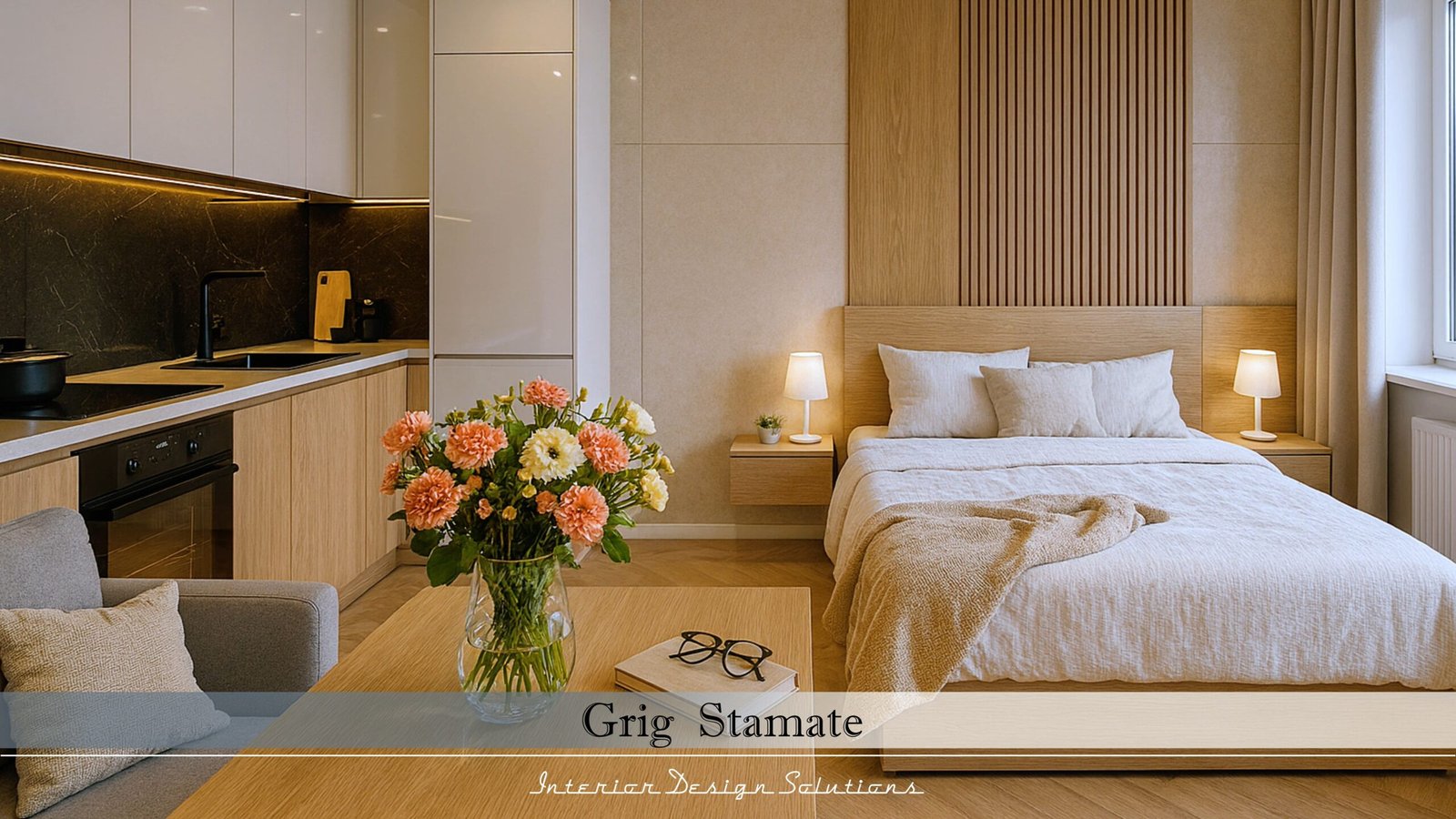
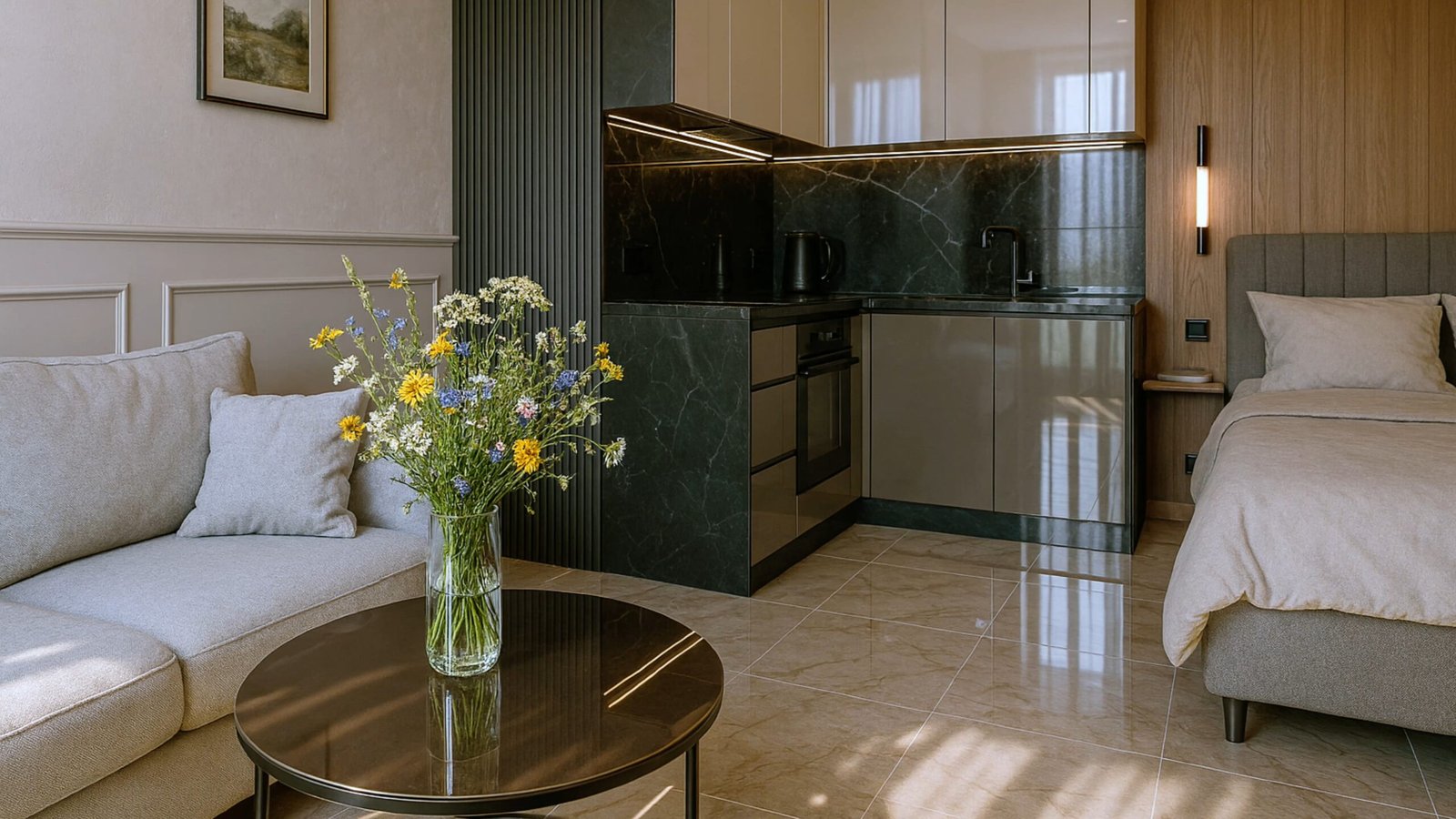

To create a harmonious design, begin by selecting a primary texture that will serve as the foundation for the space. This could be smooth wood finishes, soft textiles, or even sleek metals. From there, gradually introduce complementary textures that share a similar color palette or theme. For example, if you choose a plush velvet sofa as your main focal point, consider incorporating woven baskets, sheer curtains, or simple ceramic accents that mirror the sofa’s color but offer different tactile experiences.
Moreover, it is vital to limit the number of contrasting textures to prevent an overwhelming effect. When contrasting textures are used excessively, they can compete for attention, leading to a disjointed look. Aim for a well-thought-out blend that maintains an overall flow. Many designers recommend using a consistent color scheme across different textures to enhance the cohesion of various elements while keeping the visual complexity to a minimum.
In addition, consider the scale of the textures you choose; larger textures can dominate a small space and contribute to a sense of clutter. Instead, opt for smaller, subtler textures that invite close inspection without feeling overpowering. By prioritizing a balanced approach to texture selection, you can enhance the beauty of your studio apartment while creating a warm, welcoming atmosphere.
Other related posts from our website:
Let’s see here, three of them:
https://howtobuildahouseblog.com/small-space-magic-studio-survival-guide-for-couples/
Thank you so much for your attention.
We also sincerely hope you like our ideas from this post, and you have also enjoyed our uploaded YouTube video.
See you next time at another article. Thank you so much for your time. Bye now!